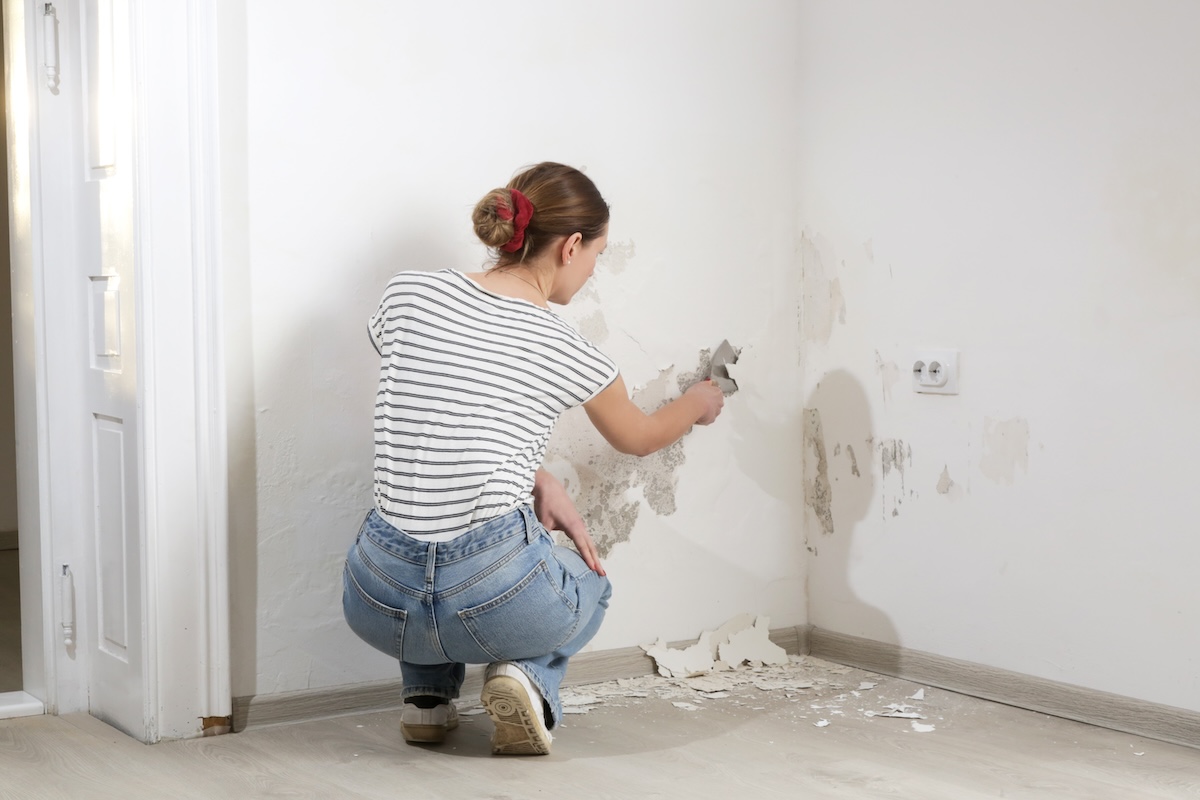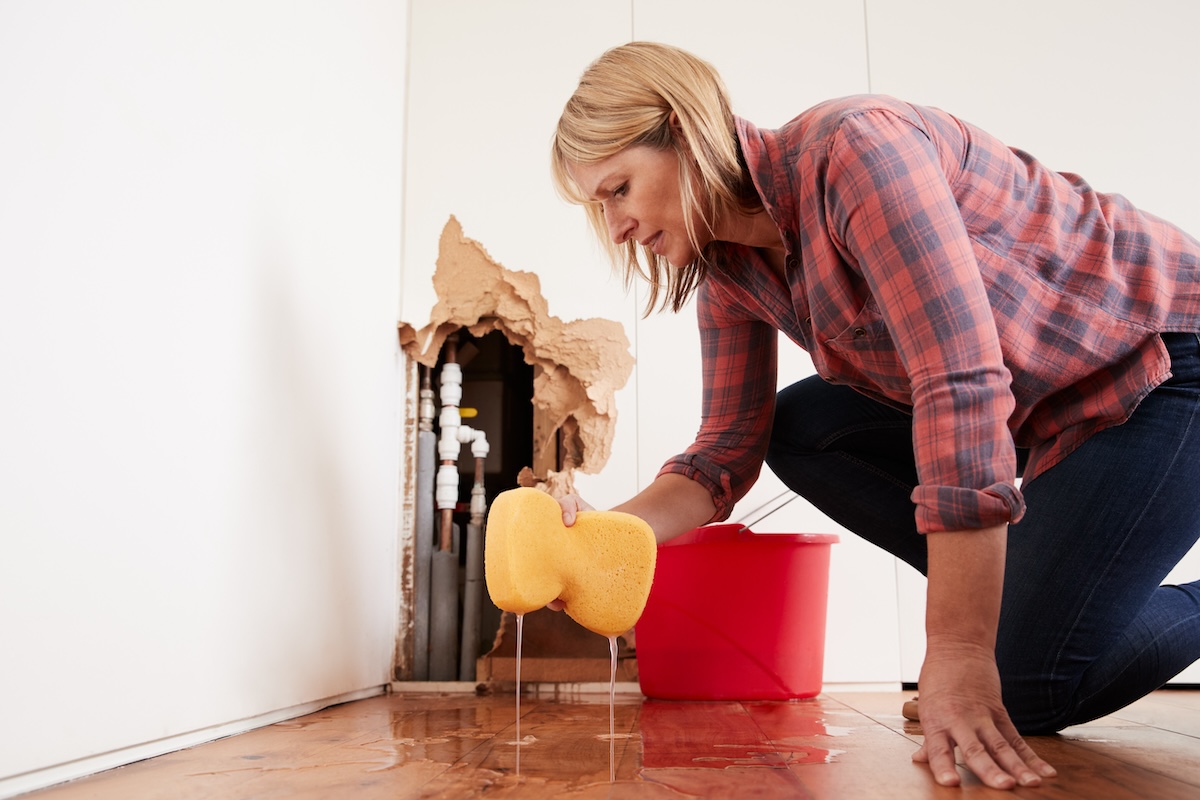
Remember: Water damage mitigation is the crucial first step in preventing further damage after a water-related incident like a flood, pipe burst, or roof leak. It focuses on removing water, drying affected areas, and preventing mold or structural deterioration, but not yet on repairs or restoration. This guide explains that process, how it differs from restoration, and why it’s critical to act fast:
Understanding water damage mitigation
Definition and purpose
Water damage mitigation refers to emergency measures taken immediately after water intrusion to reduce further damage. It includes:
- Water extraction
- Structural drying
- Mold prevention
- Temporary barriers or sealing
Unlike restoration, which rebuilds what was damaged, mitigation aims to stabilize the situation quickly, stopping the spread of damage.
Key steps in the mitigation process
1. Initial assessment & inspection
Professionals assess the source of water, the extent of damage, and potential hazards using moisture meters and thermal imaging.
2. Water extraction
Powerful pumps and vacuums remove standing water from floors, carpets, and walls.
3. Drying & dehumidification
High-speed air movers and dehumidifiers reduce moisture levels in walls, flooring, and air.
4. Mold prevention & containment
Affected areas are treated with antimicrobial agents, and barriers are placed to stop mold from spreading.
5. Structural protection & sealing
Technicians may board up windows, tarp roofs, or seal off damaged zones to protect the property.
🔧 Common equipment used: air movers, HEPA vacuums, dehumidifiers, moisture detectors, and air scrubbers.
Water damage mitigation vs water damage restoration
| Mitigation | Restoration |
| Starts immediately after damage | Starts after mitigation is complete |
| Removes water, dries, prevents mold | Rebuilds, repairs, replaces damaged materials |
| Focuses on reducing loss | Focuses on returning to pre-damage condition |
Mitigation is your emergency response, it’s about controlling the damage. Restoration is your recovery phase, repairing what was lost.
Why both are necessary
Skipping mitigation or delaying it can lead to:
- Worsened structural damage
- Mold outbreaks
- Increased insurance costs
- Higher restoration bills
Professionals often recommend that both mitigation and restoration be handled by the same or coordinated teams to ensure seamless recovery.
Why immediate mitigation matters
Impact on structural integrity and mold growth
Delaying action after water damage can result in:
- Warping of wood floors and beams
- Damage to insulation and drywall
- Electrical hazards
- Mold growth in as little as 24–48 hours
Fast mitigation helps preserve your home’s structure and ensures safer living conditions.
Insurance considerations
Most homeowners insurance policies:
- Require timely mitigation to maintain coverage
- May deny claims if damages result from “negligence” or inaction
- Often cover mitigation costs, especially if performed by licensed professionals
Always document everything: Photos, invoices, technician reports, and timestamps are vital for claims.
Professional mitigation services: What to expect
Certifications and equipment
A reputable water mitigation company will provide:
- Certified technicians
- Professional-grade equipment, (dehumidifiers, moisture sensors, air scrubbers)
- Safety-compliant procedures
- Detailed documentation for insurance companies
Avoid DIY for large-scale damage, hidden moisture and improper drying can cost more later.
Working with local experts (SafeOwner)
At SafeOwner, we offer:
✅ Rapid 24/7 response in Florida, California & Texas
✅ Certified water mitigation experts
✅ Free property assessments
✅ Full documentation for insurance claims
✅ Transparent pricing, no hidden fees
We go beyond basic cleanup, we help you protect your investment and health.
Do you want to know: How much does water mitigation cost?
How to prepare for a water mitigation visit
Steps to take before professionals arrive
✔ Shut off the water source (if safe)
✔ Turn off electricity in wet areas
✔ Move valuables and electronics
✔ Document all damage with photos/videos
✔ Avoid walking on wet surfaces
These actions can help minimize damage while awaiting professionals.
Documents and evidence for insurance claims
Prepare the following:
- Damage photos/videos (before/after mitigation)
- Invoices and quotes
- Water mitigation technician reports
- Insurance claim forms
- Communication logs with insurer
This documentation strengthens your case and speeds up reimbursement.
Choosing the right water mitigation company
Questions to Ask
- Are your technicians certified?
- Do you offer free inspections and estimates?
- What equipment and methods do you use?
- Will you assist with insurance claims?
- Do you offer both mitigation and restoration?
- How long does water mitigation take?
- How much does a radon water mitigation system cost?
Why choose SafeOwner
SafeOwner is your trusted local partner for:
🔹 Immediate response and emergency dispatch
🔹 Advanced moisture detection and drying systems
🔹 Full-service mitigation and restoration
🔹 Local experience in Florida, California, and Texas
🔹 Transparent pricing and certified teams
Don’t take risks with your home: Protect it with expert care here.
Conclusion & next steps
Don’t forget: Mitigation is not just drying, it’s the most important first step in saving your property from water-related disasters. Starting the process within 24 to 48 hours can dramatically reduce cost, risk, and health hazards.
FAQs about Water damage mitigation explained
-
What exactly does water damage mitigation involve?
It involves emergency actions like water extraction, drying, mold prevention, and sealing to prevent further damage after a water event.
-
How is water damage mitigation different from water damage restoration?
Mitigation is immediate damage control; restoration happens afterward to repair and rebuild.
-
Why is it important to start mitigation within 24–48 hours of a water incident?
Mold can start growing quickly, and moisture can damage walls, floors, and structure if not addressed early.
-
Do I need professional water mitigation or can I do it myself?
Serious damage requires certified professionals to ensure thorough drying and safety.
-
Will my homeowners insurance cover water damage mitigation costs?
Usually yes, if the mitigation is timely and done by certified pros. Check your policy and always document the process.